Biological men run on a hormone cycle that lasts 24 hours. Biological women? They ride for 28 days in a biochemical symphony, and it’s not just about their bleed week. This monthly rollercoaster is packed with power surges, mood swings, deep emotional waves, cravings, crashes, and bursts of creativity, clarity, and sexuality; it is the blueprint behind so much of who they are.
And guess what? It’s the same powerful pattern repeating in millions of women experiencing hormonal cycles across the planet.
These shifts don’t make them complicated; they make them extraordinary. Nurturing, intuitive, emotionally intelligent, adaptable, multitasking, and empathetic…
These aren’t flaws. Their superpowers are coded in hormones, revealed in patterns, and often misunderstood.
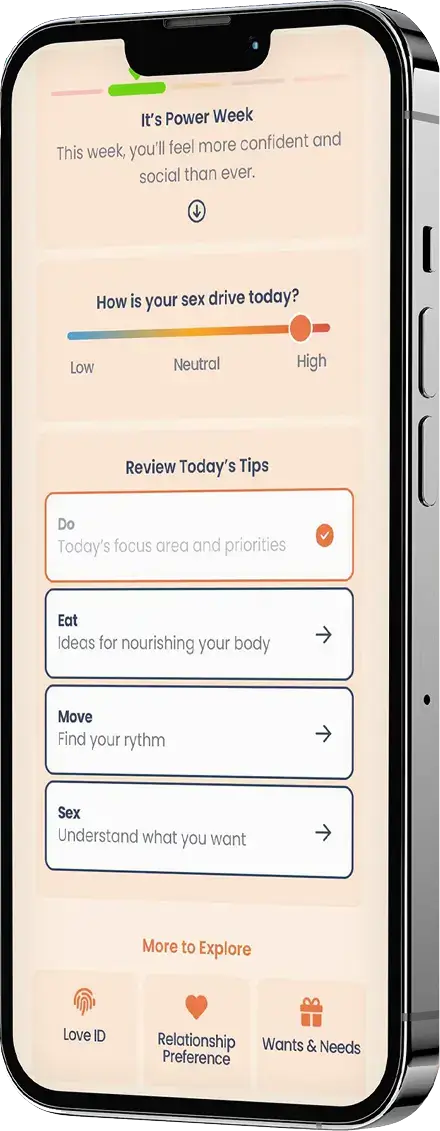
HackHer is the first relationship app that tracks hormones, not just to inform, but to activate turning invisible rhythms into actionable insights for the person experiencing them and the people trying to love them well.
These aren’t “just hormones.” They’re the fuel behind their focus, their calm, their love, and yeah, sometimes their fire.
Estrogen, progesterone, testosterone, oxytocin, cortisol… They don’t just affect their body. They shape how they solve problems, handle pressure, connect, and care.
HackHer decodes these shifts in real time so the people around them can support them like a mind reader.
This is science. But it feels like magic.
The Five Major Hormones Behind the Magic, Fully Decoded
01
Estrogen
The Powerhouse of Confidence and Creativity
Estrogen is often described as a hormone that makes you feel good because it boosts serotonin (the happiness chemical) and sharpens cognitive and verbal skills. When levels are balanced, a human can tap into incredible creativity and confidence, allowing them to excel in their work, relationships, and passions.
When it dips (Crash Days), those same pathways soften, shifting emotional sensitivity and stress tolerance. HackHer translates these shifts into insight, helping you understand when communication may feel easier and confidence may peak.
02
Testosterone
Fuel for Drive and Passion
Though typically associated with men, testosterone gives humans strength, motivation, and sexual energy. It sparks their adventurous spirit, igniting their ability to take on challenges and deepen intimacy with their partner.
Low estradiol and testosterone together are linked with increased fatigue and low mood in multiple NIH supported findings. HackHer integrates these patterns to highlight days when confidence and initiative may naturally rise or when rest might be a wiser choice.
03
Progesterone
The Calm in the Storm
Known for its soothing effects, progesterone acts like a built-in tranquilizer. It promotes relaxation and emotional stability, allowing them to provide a safe emotional harbor for those they love.
When stable, it activates GABA, the same calming pathway targeted by many medications that help with anxiety. But when progesterone drops (Crash #2), emotional sensitivity and irritability can increase. This isn’t “being moody.” It’s biology.
04
Oxytocin
The Bonding Agent
The “love hormone,” oxytocin, is released during moments of connection, like a warm hug, an intimate conversation, or even laughter.
It strengthens trust and intimacy, empowering humans to form and maintain deep, meaningful relationships.
05
Cortisol
The Stress Responder
Cortisol helps them rise to the occasion, allowing them to tackle crises or protect those they love. When kept in check, it transforms stress into focus and determination.
These aren’t just “brain chemicals.” They’re the forces shaping how they feel, think, connect, and love, every single day.
And when you understand them? You show up smarter, stronger, and more in sync.
Empathy Unlocks Potential.
When a guest approaches a host with empathy, truly seeing them, understanding their needs, and respecting their rhythm, it’s like giving them the tools to harness these hormonal superpowers. Science shows that supportive relationships lower cortisol levels, boost oxytocin, and create an environment where hormones naturally balance. This allows them to thrive emotionally, mentally, and physically.
With empathy, hosts feel safe. This safety activates oxytocin, deepening the bond with partners and enabling hosts to express love and vulnerability.
With understanding, they feel empowered. When a partner anticipates needs, whether the host needs space, support, or a simple gesture, it reduces stress and makes them feel valued.
With support, hosts can shine. A compassionate partner creates the conditions for a host to use hormonal ebbs and flows as a source of strength, not struggle.
The Superpower of Togetherness
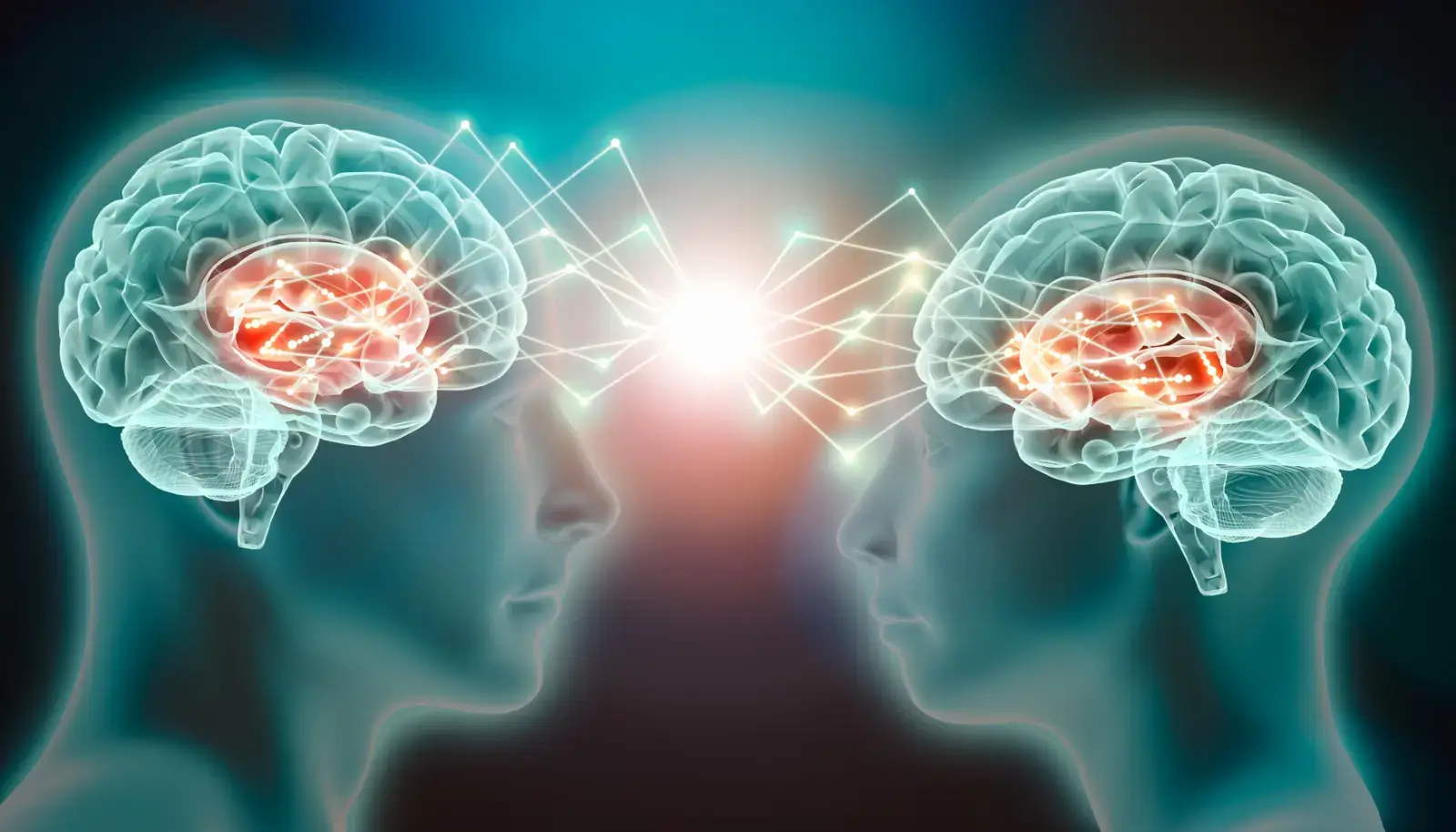
This isn’t just about hormones; it’s about connection. Science has proven that couples who understand and respect each other’s emotional needs have stronger, healthier relationships. When a partner learns how hormones influence daily life, in supporting their person, they’re not just unlocking their best self but their relationship’s best potential. Imagine a relationship where creativity, passion, calmness, and connection are met with appreciation, not confusion. It’s not just empowering; it’s transformative.
The Confidence to Make a Difference
Understanding a host’s hormones isn’t about walking on eggshells or making excuses—it’s about creating a partnership where both people thrive. With a bit of knowledge and a little empathy, partners can turn something as complex as hormones into a bridge of deeper love and connection.
The science is clear: when they feel supported, they flourish, and when they flourish, so does the relationship.
So ask yourself: What could you unlock with a little more understanding? The answer isn’t just about hormones—it’s about creating a world where couples choose each other and families and humanity thrive.
These aren’t just “brain chemicals.” They’re the forces shaping how they feel, think, connect, and love—every single day.
And when you understand them? You show up smarter, stronger, and more in sync.