Testosterone, estrogen, and progesterone all influence mood and psychological well-being in menstruating women by modulating key brain neurotransmitters, stress systems, and neural circuits involved in emotion and cognition. The most consistent pattern in the literature is that rapid hormonal change and imbalance (rather than absolute levels alone) are associated with increased risk of premenstrual mood symptoms, anxiety, and depressive features. pubmed.ncbi.nlm.nih+4
Estrogen and mood
Estrogen (especially estradiol) modulates serotonin, dopamine, and other monoamines that regulate mood, motivation, and cognitive function, generally supporting positive mood, mental clarity, and emotional. resilience. distance.physiology.med.ufl+1
Fluctuations or abrupt drops in estradiol, rather than stable low levels, are linked to increased depressive symptoms and mood instability in hormonally sensitive periods, such as the late luteal phase and perimenopause.
Lower estrogen states (e.g., menstruation, postpartum) are associated with greater vulnerability to depressive and psychotic symptoms. In contrast, higher estrogen is thought to have a protective, antipsychotic-like effect via modulation of dopamine pathways. pmc.ncbi.nlm.nih
Key supporting sources (clinical / review):
Gordon JL et al. “Impact of estradiol variability and progesterone on mood in perimenopausal women with depressive symptoms.” J Clin Endocrinol Metab, 2019. pmc.ncbi.nlm.nih
Bebbington P et al. “Psychiatric symptoms across the menstrual cycle in adult women.” Psychol Med, 2022. pmc.ncbi.nlm.nih
Educational summary: University of Florida, “How hormonal changes affect women’s mental health” (estradiol–serotonin/dopamine effects). distance.physiology.med.uf
Progesterone, allopregnanolone, and mood
Progesterone crosses the blood–brain barrier. It is converted to neurosteroid metabolites (notably allopregnanolone) that act on GABA-A receptors, typically producing calming, anxiolytic, and sleep-promoting effects. pmc.ncbi.nlm.nih+2
In many menstruating women, adequate luteal-phase progesterone is associated with lower irritability, aggression, and fatigue, and its peak correlates with reduced negative mood symptoms. pmc.ncbi.nlm.nih
However, rapid rises and falls, unstable levels, or altered GABA-A sensitivity can paradoxically trigger mood symptoms (irritability, anxiety, dysphoria) in susceptible individuals and are central in premenstrual dysphoric disorder (PMDD) and other hormonally sensitive mood disorders. animosanopsychiatry+2
Key supporting sources:
Barth C et al. “Effects of progestogens on the brain, mood, stress, and cognition in females.” Review, 2025. pubmed.ncbi.nlm.nih
Wrona W et al. “Progesterone and its metabolites play a beneficial role in affect regulation and cognitive function.” Int J Mol Sci, 2023. pmc.ncbi.nlm.nih
University of Florida, “How hormonal changes affect women’s mental health” (progesterone–GABA effects). distance.physiology.med.ufl
Blog-style but clinically oriented overview: “The impact of hormonal changes on women’s mental health” (summarizing progesterone’s mixed mood effects and PMDD). animosanopsychiatry
Testosterone and female psychological well-being
Women produce lower absolute levels of testosterone than men, but within the female range, it contributes to motivation, energy, libido, and goal-directed behavior, and interacts with dopamine pathways involved in reward and drive. nuvancehealth+1
Low or relative deficiency of androgens in women has been associated in observational work with low energy, reduced sexual desire, and decreased sense of well-being. In contrast, physiologic replacement in selected hyperandrogenic women can improve mood, sexual function, and vitality. nuvancehealth+1
Excess or supraphysiologic testosterone (e.g., from some anabolic regimens or certain endocrine disorders) may be associated with irritability, aggression, or mood instability in some women, underscoring the importance of staying within physiologic ranges. animosanopsychiatry+1
Key supporting sources:
Clinical mental-health overview: “The impact of hormonal changes on women’s mental health” (testosterone’s role in motivation, energy, focus). animosanopsychiatry
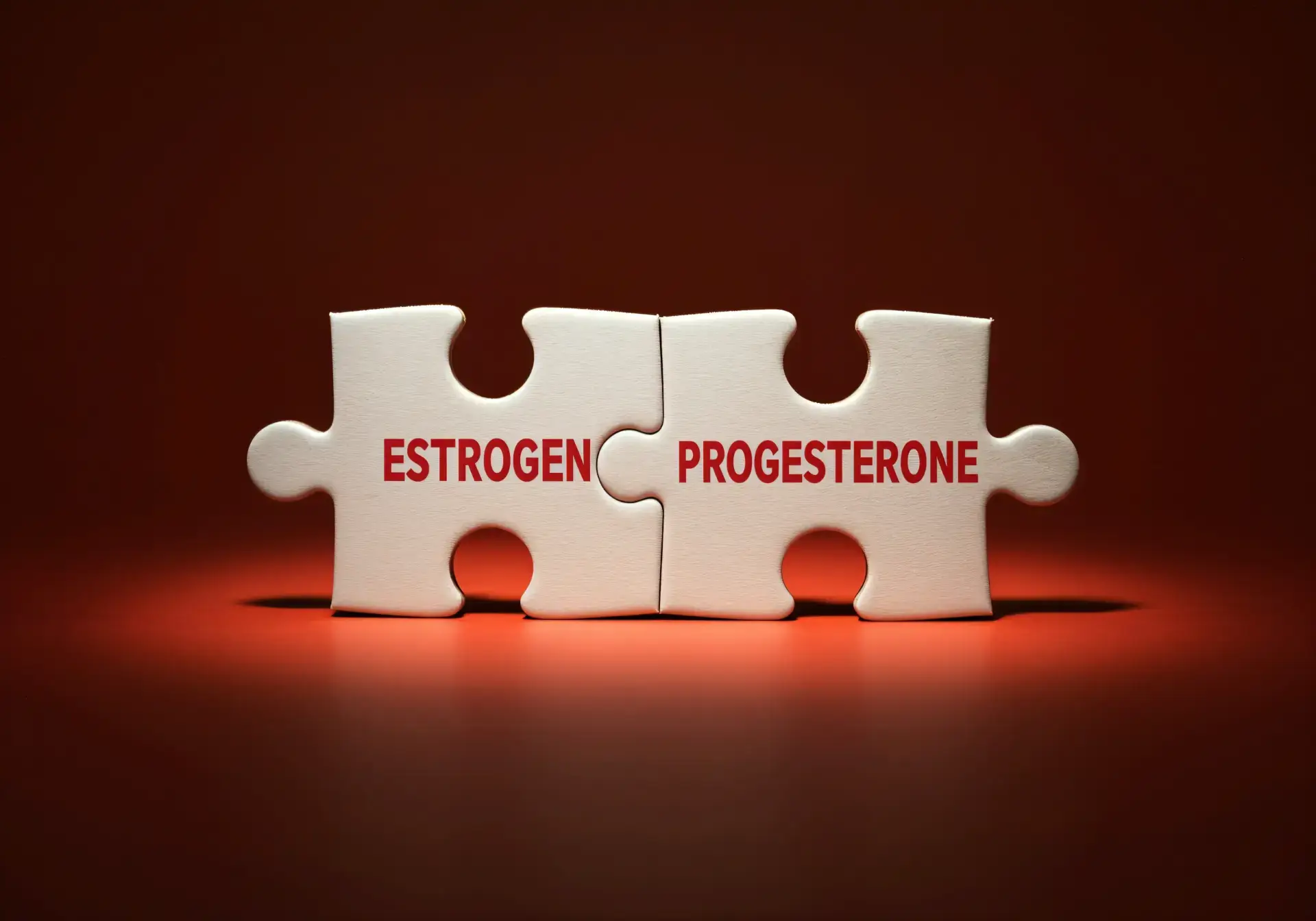
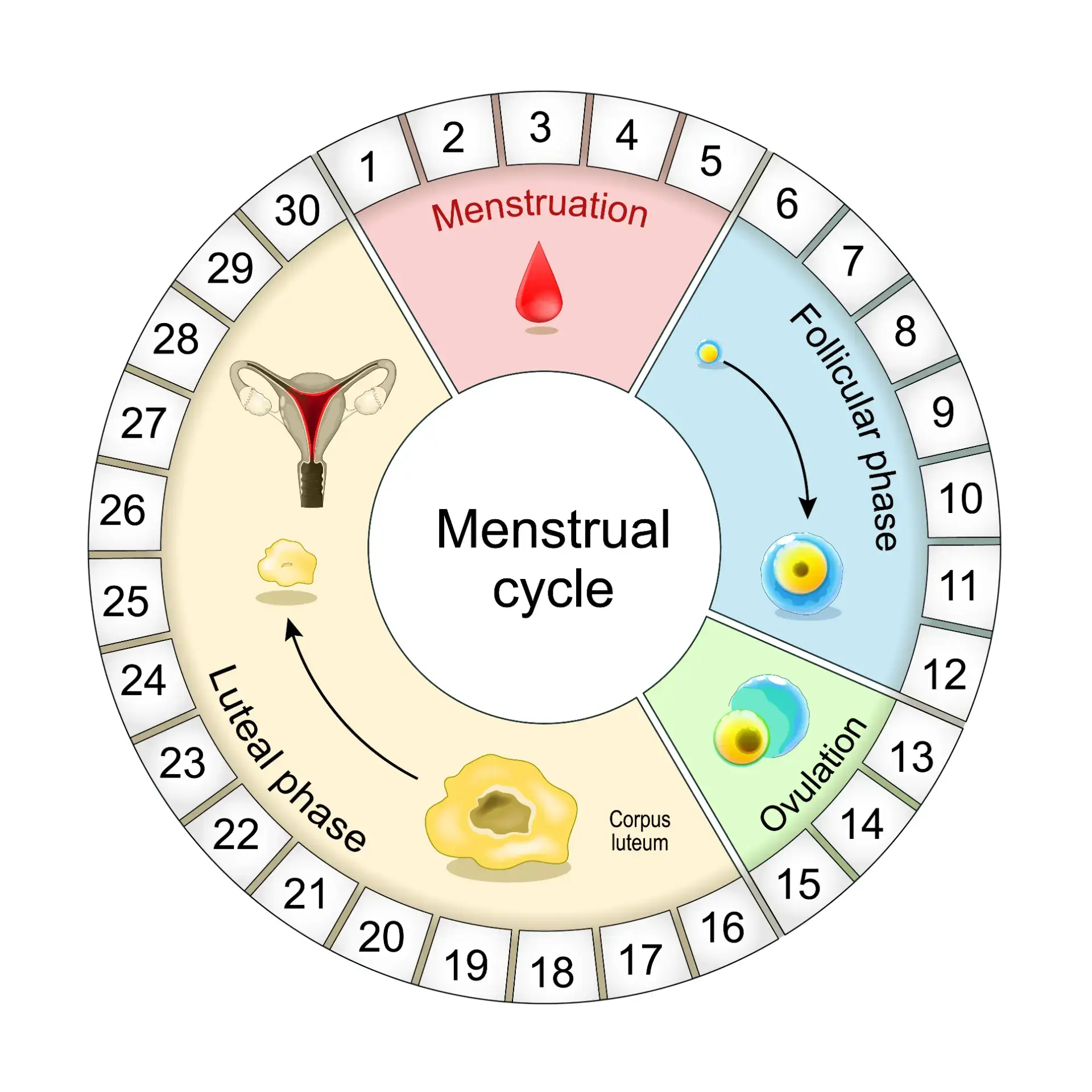
Across a typical menstrual cycle, coordinated fluctuations of estrogen and progesterone shape mood: many women feel more positive and energetic in the mid-follicular to ovulatory phase (rising estradiol, relatively low progesterone) and more prone to irritability, anxiety, or low mood in the late luteal phase, when both estradiol and progesterone fall. westsuburbanmc+2
PMDD, affecting about 3–8% of menstruating women, reflects an exaggerated mood and anxiety response to normal luteal-phase changes in estrogen and progesterone rather than abnormal hormone levels per se. pmc.ncbi.nlm.nih+1
Contemporary reviews emphasize that “hormone sensitivity” at the brain level— particularly via serotonin and GABA-A systems—explains why some women experience profound mood effects from routine cyclic changes, while others do not, and why stabilizing hormonal fluctuations (e.g., with certain contraceptives or ovulation suppression) can improve severe premenstrual mood symptoms.pubmed. ncbi.nlm.nih+3
Key supporting sources:
Bebbington P et al. “Psychiatric symptoms across the menstrual cycle in adult women.” Psychol Med, 2022. pmc.ncbi.nlm.nih
Gordon JL et al. 2019 perimenopausal estradiol/progesterone study (model for hormone variability and mood dysregulation). pmc.ncbi.nlm.nih
Review on progestogens, mood, and stress regulation in females. pubmed.ncbi.nlm.nih
Clinical overviews on menstrual-cycle mood changes and PMDD. westsuburbanmc+2
These references collectively support a professional statement that in menstruating women, balanced and relatively stable levels of estrogen, progesterone, and testosterone support mood and psychological resilience, whereas rapid changes and individual brain sensitivity to these hormones can drive premenstrual and cyclical mood disturbances.